Energy Flow Practices
Energy flow refers to how energy moves through different systems, whether in nature, our bodies, or even in our daily routines. When we think about energy, we often consider the physical aspects, like electricity or heat. However, energy is also about the vital force that influences our well-being and interactions. Understanding how energy flows can help improve our lives and bring a sense of balance.
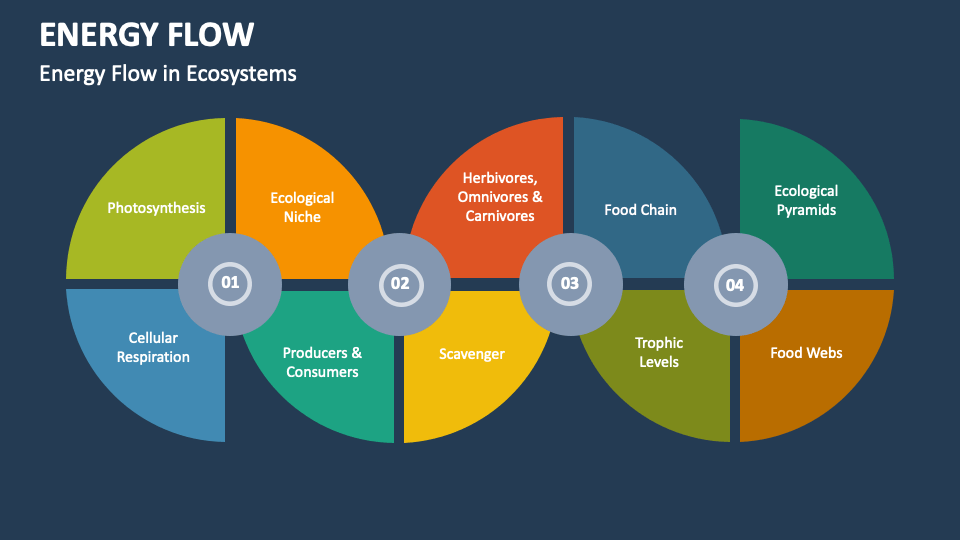
In nature, energy flows from the sun to plants through photosynthesis, creating a cycle that supports various forms of life. Similarly, in our bodies, energy moves through our systems, affecting our emotions and actions. By practicing energy flow techniques, we can enhance our physical and mental health.
Importance of Energy Flow Practices
Energy flow practices are essential for maintaining balance and harmony in our lives. They can help reduce stress, improve focus, and increase overall well-being. When we engage in these practices, we can better understand our energy levels and how they impact our daily activities.
Some key benefits of energy flow practices include:
- Stress Reduction: These practices can help soothe the mind and body.
- Enhanced Focus: Improved energy flow leads to better concentration.
- Physical Well-being: Energy practices can promote healing and vitality.
Types of Energy Flow Practices
There are various energy flow practices that cater to different needs and lifestyles. Some practices focus on physical movements, while others emphasize mental and spiritual well-being. Here are a few popular types:
- Yoga: Combines movement, breathing, and meditation for holistic benefits.
- Qi Gong: An ancient Chinese practice that integrates movement and meditation.
- Reiki: A healing technique that channels energy for relaxation and healing.
Exploring these practices can lead to discovering what resonates best with you. Each has unique approaches to enhancing energy flow, making it easier to find one that fits your lifestyle.
Incorporating Energy Flow Practices
Incorporating energy flow practices into your daily routine can be quite simple. Start by dedicating a few minutes each day to one of these activities. Even small changes can lead to significant improvements over time!
Here are some tips to get started:
- Set aside a specific time each day for practice.
- Choose a quiet space free from distractions.
- Begin with simple movements or breathing exercises.
Consistency is key! By integrating these practices into your life, you’ll begin to notice shifts in your energy levels and emotional well-being. For more details, please visit: https://mindandmeridian.com/wellness/exploring-acupuncture-clinic-options
Benefits of Practicing Energy Flow
Practicing energy flow techniques offers numerous benefits that can enhance your quality of life. Not only do these practices improve physical health, but they also foster emotional and mental clarity. Many people report feeling more grounded and centered after just a few sessions.
Some of the key benefits include:
- Increased Energy: Regular practice can lead to higher energy levels.
- Improved Mood: Engaging in energy practices often boosts happiness and reduces anxiety.
- Better Sleep: Many find that these practices promote deeper, more restful sleep.
Finding the Right Practice for You
With so many energy flow practices available, it’s essential to find one that fits your personal preferences and lifestyle. Experimenting with different techniques can help you discover what works best for you. Don’t hesitate to try out classes, online videos, or even guided meditations!
Remember, it’s okay if one practice doesn’t resonate with you. The goal is to find a method that feels enjoyable and nourishing. As you explore, be open to the possibilities!
Community and Support
Engaging with others who practice energy flow techniques can greatly enhance your experience. Joining a community or group can provide motivation, support, and a sense of belonging. Sharing your journey with others makes it more enjoyable and rewarding.
Look for local classes, workshops, or online forums where you can connect with like-minded individuals. Sharing experiences and learning from each other can lead to deeper insights and growth.
Resources for Energy Flow Practices
There are plenty of resources available to help you dive deeper into energy flow practices. Books, online courses, and local classes can guide you on your journey. Here are a few resources to consider:
- Books: Look for titles on yoga, Qi Gong, and Reiki.
- Online Platforms: Websites like YouTube and dedicated wellness sites offer free tutorials.
- Local Classes: Check community centers or gyms for classes in your area.
By exploring these resources, you’ll be well-equipped to embark on your journey towards improved energy flow and overall well-being!
FAQs about Energy Flow Practices
- What is energy flow? Energy flow refers to how energy moves through different systems, impacting well-being and interactions in nature, our bodies, and daily routines.
- What are the benefits of energy flow practices? Benefits include stress reduction, enhanced focus, improved physical well-being, increased energy, better mood, and better sleep.
- What types of energy flow practices are available? Popular types include Yoga, Qi Gong, and Reiki, each with unique approaches to enhancing energy flow.
- How can I incorporate energy flow practices into my daily routine? Start by dedicating a few minutes each day, setting aside a specific time, choosing a quiet space, and beginning with simple movements or breathing exercises.
- How do I find the right energy flow practice for me? Experiment with different techniques and be open to trying classes, online videos, or guided meditations to discover what resonates with you.
- Is it beneficial to engage with a community while practicing energy flow techniques? Yes, joining a community or group can provide support, motivation, and a sense of belonging, making the practice more enjoyable.
- What resources are available for learning more about energy flow practices? Resources include books on yoga, Qi Gong, and Reiki, online tutorials, and local classes at community centers or gyms.
Comments
Post a Comment